12 Things Nobody Tells You About Your First Week Sober

You've been Googling at midnight for a week. You've read the timelines, the withdrawal lists, the inspirational quotes. What you actually want to know is the stuff people in recovery talk about in the meetings and on the late-night threads. The weird, specific, slightly embarrassing realities of being seven days off alcohol that nobody warned you about.
This is that list.
Your first week sober is going to surprise you. Not because it is harder than you thought, although some of it is. Because the experience is more specific, more bodily, and more emotionally noisy than anyone bothered to mention. These are 12 things real sober people consistently say nobody told them, drawn from recovery communities, sober coaches, and the body of research on early alcohol abstinence.
One quick honest note before we start. If you have been drinking heavily and daily for a long time, please do not stop cold turkey without talking to a doctor or a treatment professional. Alcohol withdrawal can cause seizures, and in rare cases, it can kill you. That part is not in this list because it is bigger than a bullet point. Make the phone call first, then come back to this.
1. The 5 to 7 p.m. Witching Hour Is Brutal and Real
Sober people call it the witching hour. It is the stretch of late afternoon into early evening, roughly 5 to 7 p.m., when cravings spike like clockwork. Your brain is not being dramatic. Cortisol rises in the late afternoon, dopamine drops, and if you used to crack the first drink right around then, your nervous system is sending you a calendar reminder.
What to do: Have a plan for that exact two-hour window before it starts. Tea. A walk. Dinner prep. A meeting. A phone call. Anything that fills the slot. You do not need to be busy for the whole night. You just need to get past the cliff.
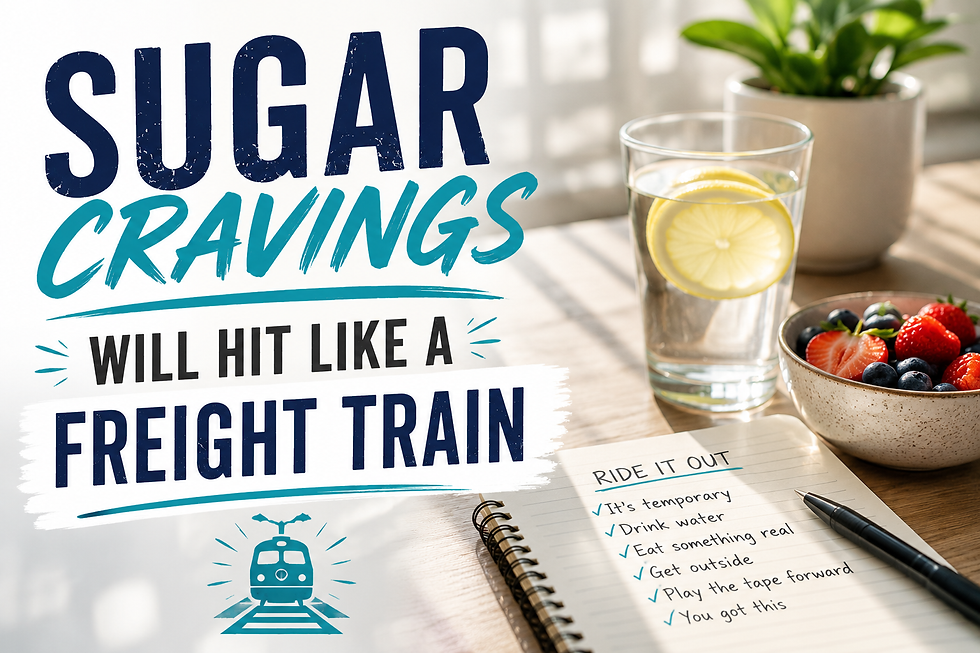
2. Sugar Cravings Will Hit Like a Freight Train
If you suddenly cannot stop thinking about ice cream, candy, or a sleeve of Oreos, you are not broken. You are biology. Alcohol hits the same dopamine pathways as sugar, and when you take the alcohol away, your brain looks for the closest substitute. On top of that, your liver was suppressing blood sugar release while you drank, so when you stop, your blood sugar swings cause real hunger spikes that feel like emergencies.
Research suggests sugar cravings peak in the first two weeks of sobriety and fade over four to eight weeks as dopamine and serotonin recalibrate.
What to do: Eat the ice cream in the first week. Seriously. Almost every sober person you have heard from did. You can sort out the sugar later. Right now, sugar is the lesser problem.
3. Sleep Gets Worse Before It Gets Better
Everyone tells you sobriety means great sleep. They forgot to mention the first four nights. Alcohol suppresses REM sleep, the dream-heavy, restorative phase. When you quit, your brain overcorrects and slams you with REM rebound. Falling asleep is hard. Staying asleep is harder. You wake up at 3 a.m. staring at the ceiling, drenched in sweat, wondering if this was a mistake.
It was not a mistake. By day five to seven, most people report sleep starts improving noticeably.
What to do: Lower the bar. Going to bed at 8:30 is allowed. Naps are allowed. Watching a comfort show in bed is allowed. You are not auditioning for productive sobriety yet. You are surviving the rewiring.
4. The Drinking Dreams Will Freak You Out
Around night two or three, you will dream you drank. You will wake up convinced you blew it. You will check your phone, your pockets, your kitchen, before your brain catches up and tells you it was a dream.
This is the same REM rebound that is wrecking your sleep. Your brain is finally allowed back into the dream-heavy stages of sleep and it is processing years of suppressed material at once. Vivid, intrusive, often drinking-related dreams are one of the most universally reported experiences in early sobriety.
What to do: When you wake up, name it out loud. "That was a dream. I did not drink." Then look at a tangible marker of your sober time, your tracker, your last drink date, the empty space where the bottle used to be. The relief afterward is one of the strangest gifts of week one.
5. You Will Be Exhausted at Hours That Make No Sense
Two p.m. will flatten you. Then 7 p.m. you will feel weirdly wired. Then 10 p.m. you will be exhausted again. Your circadian rhythm spent years getting pushed around by a sedative, and now it is trying to remember what normal looks like.
What to do: Sleep when you can. Do not fight the random 2 p.m. wall. Nap if your life allows. Caffeine after 2 p.m. is going to make the witching hour worse, so try to taper coffee earlier in the day.
6. Your Appetite Will Be Unpredictable
Some hours you will be ravenous. Other hours food will sound disgusting. This is your gut, your liver, and your blood sugar all trying to find baseline again after years of being told what to do by alcohol. The lining of your stomach is healing. Heartburn often eases within a week. So does bloating.
What to do: Eat small things often. Protein helps. Crackers and peanut butter at 11 p.m. is a totally valid sobriety strategy. The food rules can come back in month three.
7. Anxiety Often Gets Louder Around Day 2 to 4
This one ambushes people the most. Hangxiety, the dread and racing thoughts you got after a heavy night, does not vanish on day one of being sober. For a lot of people, it intensifies around days two to four before it eases.
Here is why. Alcohol slows the central nervous system. When you take it away, the brain rebounds and runs hot for a while. Your nervous system has to learn how to settle without a sedative. That learning curve feels like generalized anxiety, sometimes for the first two to three weeks.
If hangxiety has been ruling your mornings, the post Hangxiety: Why You Feel So Anxious the Day After Drinking explains the timeline in detail.
What to do: Move your body, even a little. Walking is the highest-leverage anti-anxiety tool in early sobriety. Caffeine makes it worse. Hydration makes it better.
8. You Will Think About Alcohol More Than You Expected
You assumed that not drinking meant not thinking about drinking. The opposite happens in week one. The thoughts get louder before they get quieter. Every billboard, every grocery store aisle, every restaurant menu, every friend's Instagram story is going to seem to be about alcohol.
This is not a sign you cannot do this. This is your brain noticing the absence of a thing it relied on. Within two to four weeks, most people report the mental noise drops off significantly. Within three months, alcohol stops being the loudest voice in the room.
What to do: Do not white-knuckle this alone. Get into a meeting, an online community, a text thread with one sober friend. The thoughts feel smaller when they get said out loud.
9. People Around You Will React in Weird Ways
You imagined people clapping. They mostly will not. Some will be quietly supportive. Some will get weirdly defensive about their own drinking. Some will not notice. Some will offer you a drink anyway, two days after you told them you quit.
This is one of the most disorienting parts of week one. You have made a huge internal change, and the world keeps spinning like nothing happened.
What to do: You do not owe anyone a big announcement. Tell who you need to tell. "I'm not drinking right now" is a complete sentence. You can sort out the bigger conversations in month two.

10. Boredom Will Feel Like an Emergency
Around day four or five, after the worst of the physical stuff fades, you will hit a wall of boredom that feels almost panicky. Alcohol filled hours you did not even know it was filling. Now those hours are just sitting there, empty, with you in them.
This is the moment a lot of people go back to drinking, not because they craved alcohol, but because they could not handle the silence.
What to do: Have a list of stuff ready. The post 10 Things to Do Instead of Drinking When You're Brand New to Sobriety is built for exactly this moment. Hint: it is not pickleball or pottery class. It is the actual stuff that gets sober people through 7 to 11 p.m.
11. Your Face Is Going to Change Faster Than You Think
By day five to seven, you are going to catch your reflection and do a double take. The puffiness under your eyes will be visibly down. Your skin will look more hydrated. Your jaw will look more defined. Alcohol bloat is one of the fastest visible payoffs in sobriety, and most people start seeing it inside a week.
For a deeper look at the timeline, see Alcohol Bloat: Why Your Face Looks Different a Month After You Quit.
What to do: Take a photo on day one. Take another on day seven. Keep taking them. The visible change is one of the cheapest motivators you have, and your day-one face is not coming back.
12. You Will Feel Something Close to Grief
This is the one nobody talks about, and it is the most important one on this list. Somewhere in week one, usually around day five or six, you are going to feel a sadness that does not match anything happening in your life. It might feel like missing an ex. It might feel like a low-grade depression. It might feel like nostalgia for a version of yourself you do not even like anymore.
You are grieving alcohol. Even if it was destroying you. Even if you hated what it had become. It was a relationship. It was your coping tool. It was your nightcap, your celebration, your reward, your friend at the end of the day. Letting it go is a loss, and your nervous system processes it as one.
What to do: Let it happen. Do not try to talk yourself out of it. Tell another sober person about it. Almost every long-term sober person nodded along when JB on the Sober Motivation Podcast described needing to let alcohol "win" before he could finally move past it. You are saying goodbye. It is allowed to feel sad.
What Week Two Looks Like
By day seven, the worst of the physical stuff is usually behind you. Sleep is improving. The puffiness is going down. Food tastes more like itself. The witching hour still hits but it is a five out of ten instead of an eight. You will not feel "fixed." You will feel like a person who has just walked through a tunnel and is starting to see daylight.
That is the win. Week two is when the mental piece starts getting real, but you have to make it through week one to get there. Stack the days. Get into a community. Be unimpressive on purpose. The first week sober is not about excellence. It is about not picking it back up.
Frequently Asked Questions
Is it safe to quit drinking cold turkey for a week?
For some people, yes. For others, it can be dangerous. If you have been drinking heavily and daily for months or years, or if you have ever experienced shaking, sweating, or seizures when trying to stop, talk to a doctor before quitting cold turkey. Alcohol withdrawal can include life-threatening seizures and delirium tremens, and medical supervision keeps the first 72 hours safe.
Why am I craving sugar so badly in my first week sober?
Alcohol and sugar activate the same dopamine pathways in the brain, and alcohol also disrupts how the liver releases blood sugar. When you stop drinking, your brain reaches for sugar to replace the dopamine hit, and your blood sugar swings make hunger feel urgent. Research shows sugar cravings peak in the first two weeks and fade over four to eight weeks. Eating the sweets is fine for now.
Why are my dreams so vivid and strange in early sobriety?
Alcohol suppresses REM sleep, the dream-heavy phase. When you quit, your brain overcorrects with what's called REM rebound, packing weeks of skipped dreaming into a few nights. Vivid drinking dreams, intense emotional dreams, and nightmares are all extremely common in the first week. They are uncomfortable, but they are a sign your brain is healing.
When does the anxiety from quitting drinking actually stop?
Anxiety often peaks around days two to four as your central nervous system rebounds from alcohol's sedating effect. Most people report it easing significantly by week two and continuing to settle through weeks three and four. If anxiety is severe or you have a history of panic attacks, talk to a doctor about short-term support options while your nervous system recalibrates.
What is the hardest day of the first week sober?
Most people describe day two, three, or four as the hardest. Day one is often fueled by adrenaline and resolve. Day two and three are when the physical symptoms tend to peak. Day four is when boredom and emotional flatness often hit hardest. By day five to seven, the worst of the first week is usually behind you and small wins start showing up.
Will I be able to sleep normally after one week sober?
Sleep typically improves significantly by the end of week one, but it is rarely fully restored that fast. Most people report meaningfully better sleep by weeks two and three, and full sleep recovery often takes one to three months depending on how heavily and how long you drank. The good news: even imperfect sober sleep beats hungover sleep by a wide margin.
You Are Not Alone in Any of This
Every single thing on this list has been felt by thousands of people who are now years sober and thriving. None of it means you are broken or failing. It means your body and brain are doing the work of healing from a substance that was running the show for a long time.
If you want to be in a room with people who are walking through this exact week with you, download the Sober Motivation app and join one of the daily meetings. JB, whose story is featured on the Sober Motivation Podcast, spent over a year trying to do this alone before community changed the outcome. You do not have to do it alone either.


Comments